A Healthy Relationship with Work

As adults, our relationship with work is rather complicated. We pay others who have more expertise, more time, or more willingness to do work that we don’t know or want to do. We invent machines to work for us. We often aim for expediency and efficiency. We value our non-working time, like vacations, personal time, and leisure. We think about retiring early. Recently in history, there has also been a notion that we should find work that is the most fulfilling, makes use of our gifts, and follows through on our passions.
The Value of Work
However, the truth is that we, as humans, need to work to thrive. Often, we find a sense of purpose, meaning, and connection through work. Those who have retired know how it feels to drop out of the social organization of productive human activity and perhaps wonder about contributing to the community, group, or society.
We establish our identity through work and, in the process, contribute to a complex web of interdependent activities we share with others. We provide service to others, and this gives us a sense of belonging. What we do to accomplish our purpose in life is our work.
“Joy, feeling one's own value, being appreciated and loved by others, feeling useful and capable of production are all factors of enormous value for the human soul.” – Dr. Maria Montessori, From Childhood to Adolescence
Purposeful Work
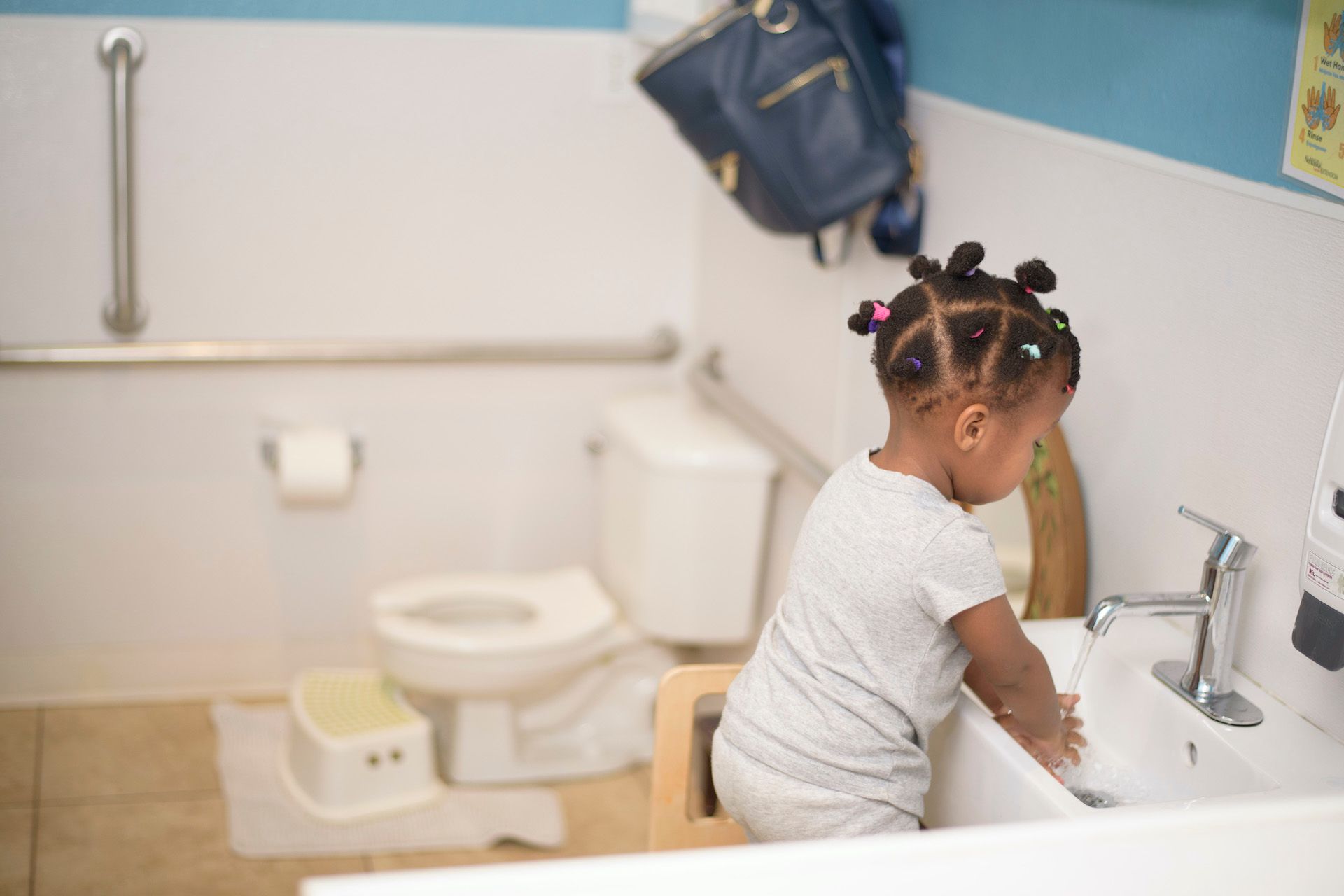
Appreciating the varied types of work we do in our lives to care for ourselves, to care for others, and to care for our environment, is not something we are particularly practiced at doing in our culture. Yet in Montessori, we prioritize these three pillars: care of self, care of others, and care of our surroundings. We recognize that children gain deep satisfaction through work that has purpose. They want to feel and be useful!
Work that is purposeful or meaningful comes from an internal drive, while also being connected to the environment and to others, which leads to a sense of responsibility. For our youngest children, this can be as simple as noticing that laundry needs to be folded or that snack needs to be prepared and then wanting to play a role in getting that work done. Older children may feel compelled to share their research or discoveries with classmates.
Adult Work vs. Children’s Work
In her observations of children, Dr. Maria Montessori began to see how the work of adults differs from the work of children. While adults work to minimize effort and make our external environment better meet our needs, children use their environment to develop their internal capacities. Because children’s work is their own development and self-construction, their work doesn’t follow the same patterns, look the same, or have the same outward manifestations as adult work.
More often than not, adults do not recognize children’s work for what it is, which can result in a kind of conflict between adults and children. Often adults try to keep children away from any adult work because children can seem to get in the way.
According to Dr. Montessori, this is primarily due to the complexities created by modern life. There was a time in human history when children’s need to self-construct through their own activities was more naturally and easily met by just being around as adults worked to secure food, build shelters, or make tools. This work was more immediate, concrete, and apparent. Children could observe, explore, imitate, and little by little participate in adult work.
But the work of modern humans is more complex and abstract, making adults’ work more inaccessible to children and thus making the presence of children often an interruption, distraction, or nuisance. As a result, children are often separated from the everyday work of adult life.
The Importance of Self-Construction
By nature, children are compelled to do work that ensures their own development. Children’s work is the work of self-construction. Often this work even feels like play!
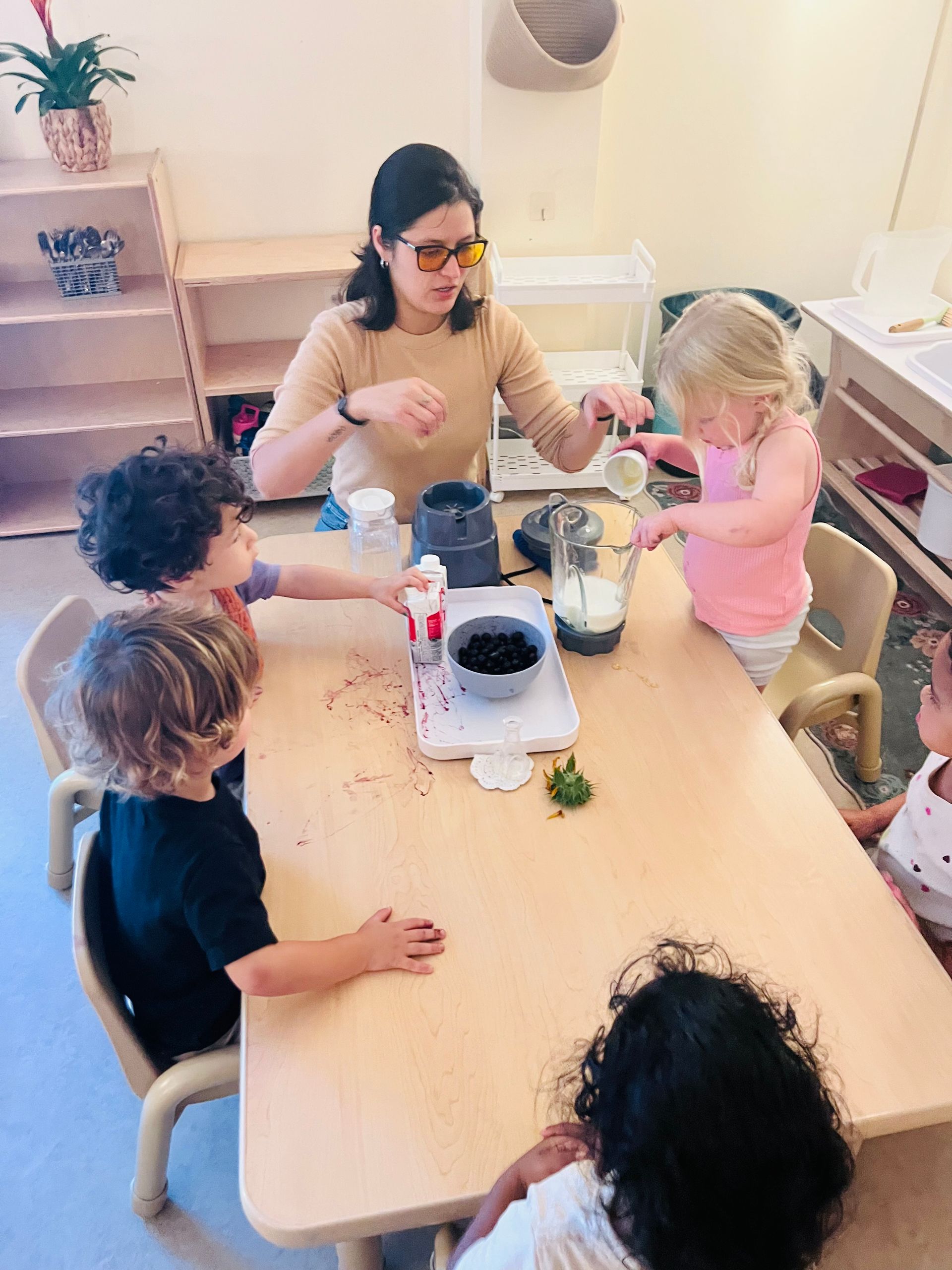
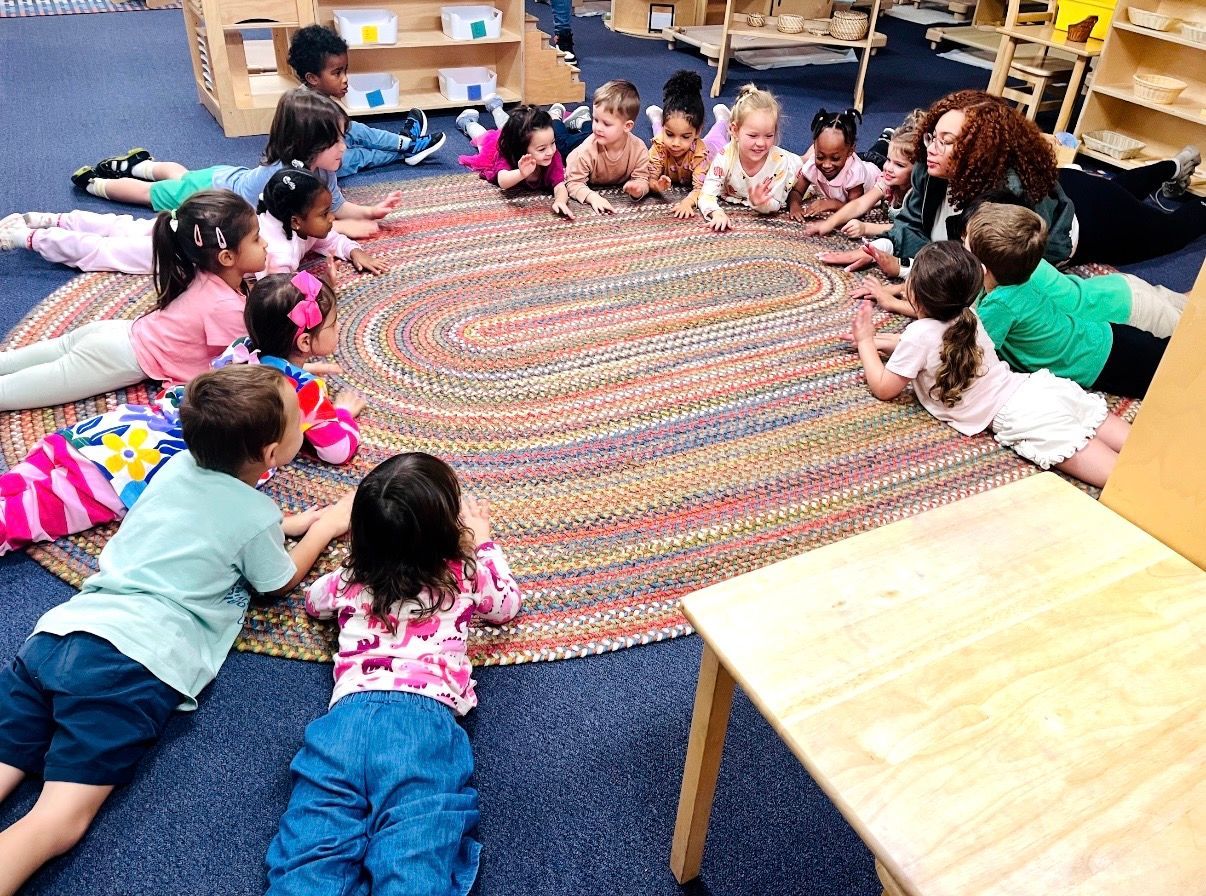
In Montessori, we recognize the fact that children are forming who they will become as adults. Thus, to fully support children’s work of self-construction, we offer children purposeful activities so they can learn how to contribute meaningfully to their communities. Our youngest children slice fruits and vegetables that are served for snack. They arrange flowers to make the classroom more beautiful. They sweep the floor and wipe the tables. As children get older, they take on more responsibilities, from taking care of dishes to answering the phone, to running class meetings to organizing trips.
Beyond caring for themselves, each other, and the environment, we also help children develop a healthy relationship with intellectual challenges. Because the purpose is self-construction, rather than external rewards, children love to lean into learning. They see mistakes as opportunities for growth. They want to gain mastery. They delight in self-improvement.
Montessori children grow into adults who understand the value of work in its many forms. To see how this happens, come visit our school! We love to share what we do.