The Benefits of Multi-Age Grouping

ToTH Montessori • September 20, 2023

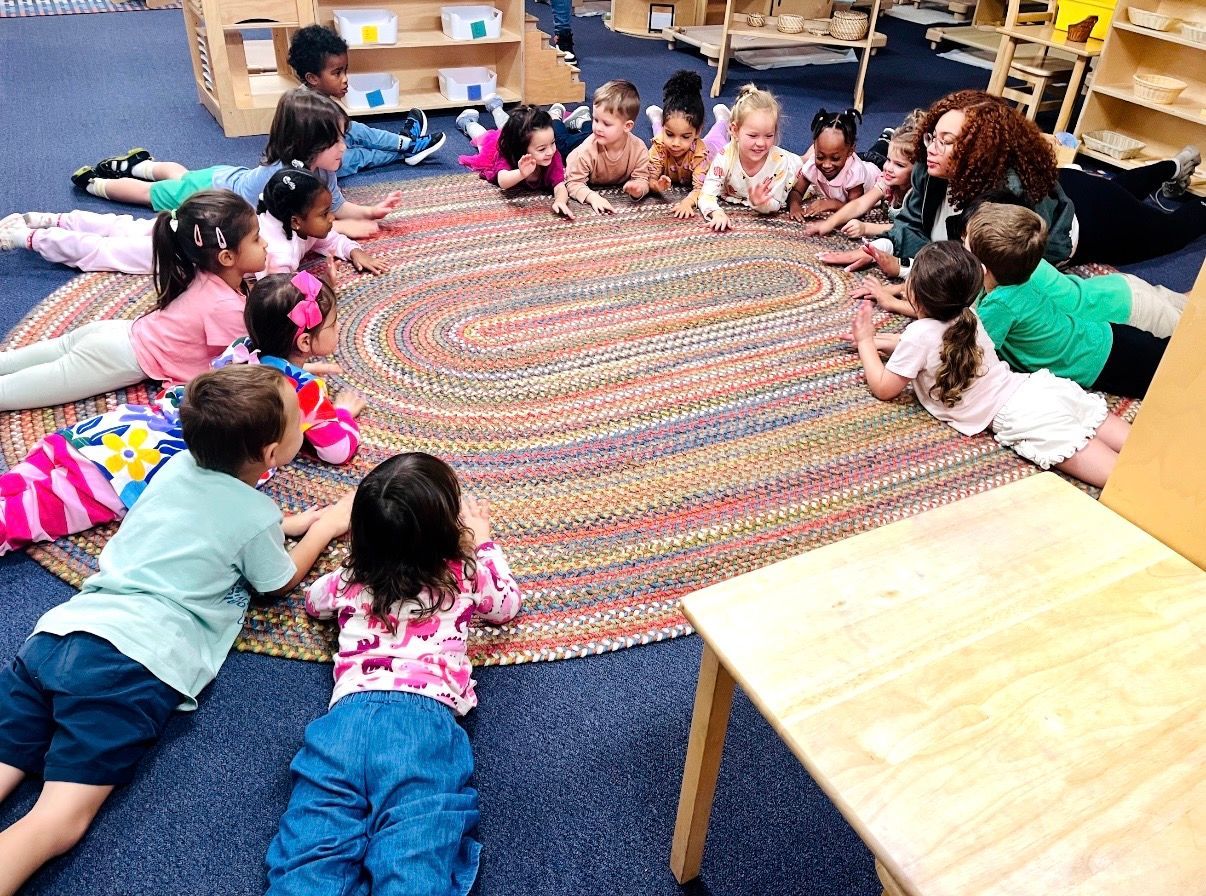
One hallmark of a Montessori education is the use of multi-age classrooms. 

Infants and toddlers may be together or separate, with a toddler classroom serving children 18 months to three years. Primary classrooms are for children ages 3-6, with preschool and kindergarten-aged children together. The elementary years serve children ages 6-12; some schools separate into lower (6-9) and upper (9-12) elementary, while many split elementary into two groups. Even Montessori middle- and high-school students learn in multi-age classrooms.


While Montessori is not the only type of education that utilizes this approach, it’s not what most people are used to. What are the benefits of structuring a classroom this way? Read on to learn more...


Learning at an Individual Pace


Children in multi-age classrooms tend to have a little more flexibility when it comes to mastering skills within a specific timeframe. We know that learning is not linear, and that learners have periods of significant growth, plateaus, and even the occasional regression. In multi-age classrooms, children are typically able to work at their own pace without the added pressure of keeping up with the whole group, or even being held back by the whole group. 


When children in a classroom range in ages, everyone has someone they can work with, regardless of their skill level. Children don’t feel left behind if they struggle with a concept, and they also don’t feel bored by repetition of something they have already mastered. Teachers who teach in multi-age classrooms typically have deep knowledge for a range of developmental abilities, leaving them well-equipped to differentiate instruction for each individual child.


Building Stronger Relationships


Traditionally children move from one class to the next each year. This means not only a new set of academic expectations, different routines, and different classroom structures, but a different teacher. 


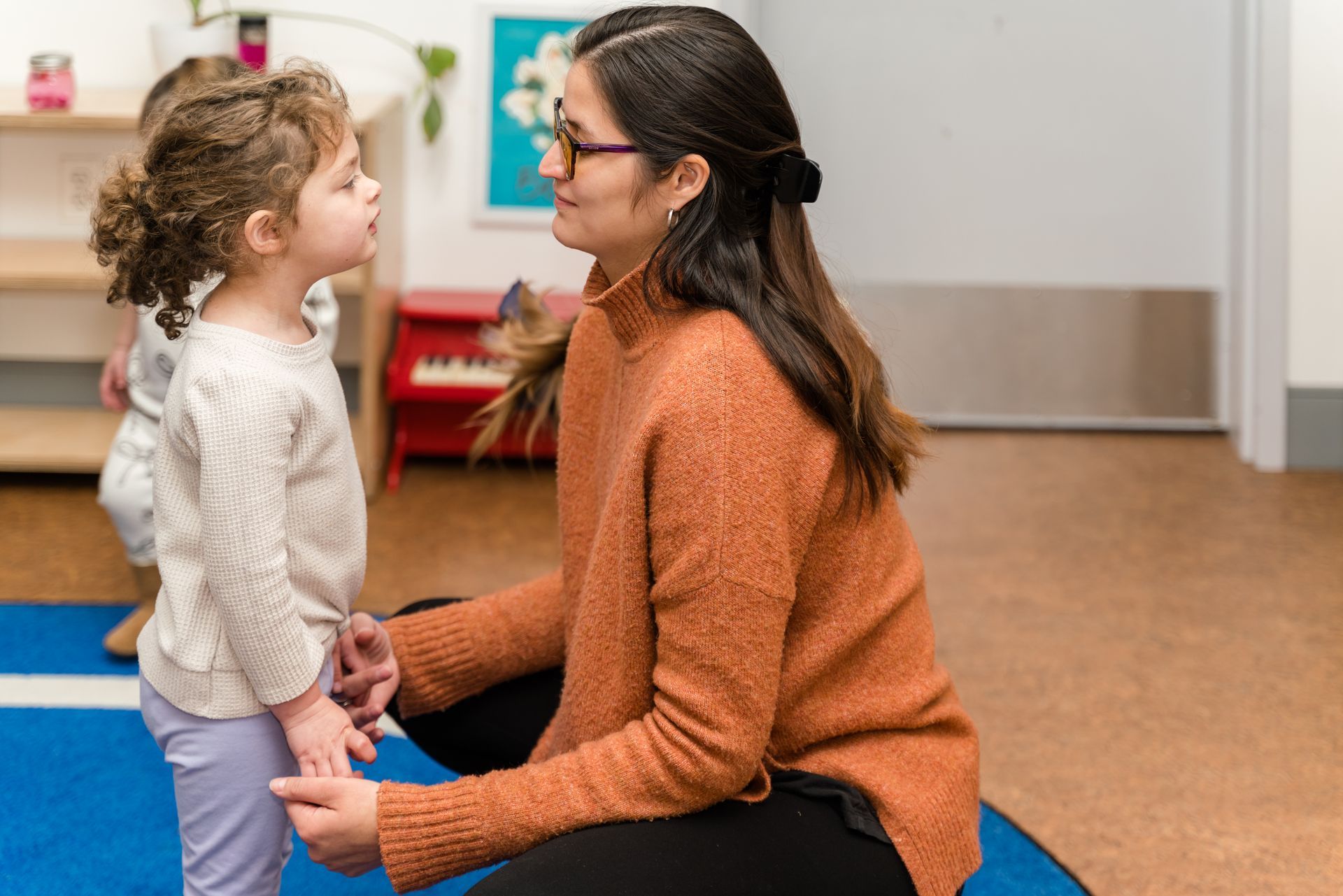
In multi-age classrooms teachers have a longer period of time to get to know a student and their family, and vice versa. When teachers really get to know a student, they are able to tailor instruction in regards to both content and delivery. They know how to hook a specific child onto a topic or into a lesson. They know what kind of environment a child needs to feel successful.


Parents have an opportunity to get to know teachers better this way, too. If your child has the same teacher for two or three years, the lines of communication are strengthened. Parents get to know the teacher’s style and expectations. The home to school connection becomes more seamless, and the biggest beneficiary is the child.


Mentors and Leaders


When a child spends multiple years in the same class they are afforded two very special opportunities. 


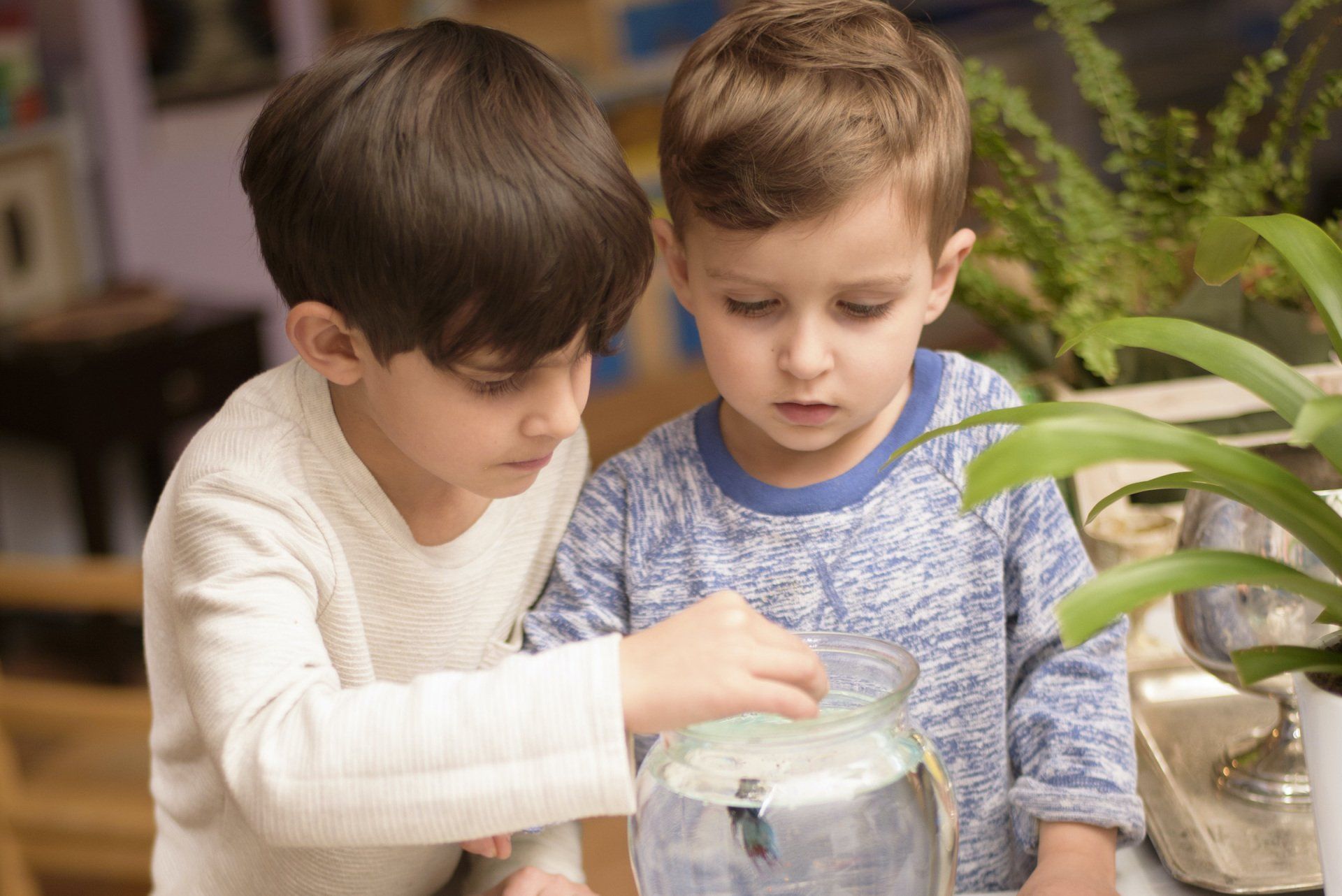
Children who are new to the class are fortunate enough to be surrounded by helpful peer mentors. Children often learn best from one another, and they seek to do so naturally. First and second year students watch as the older children enjoy advanced, challenging work, and this inspires them. They look to the older children for guidance, and the older children are happy to provide it. 


After a year or two in the same room, students have a chance to practice leadership skills. In Montessori classrooms, the older children are often seen giving lessons, helping to clean up spills, or reaching out a comforting hand to their younger friends.


The best part is kids make the transition from observer to leader in their own time. It doesn’t happen for all children at the same time, but when it does it’s pretty magical to observe. 


Mirroring Real-Life


There is no other area in life in which people are split into groups with others who are exactly their chronological age. Whether in the family, the workforce or elsewhere, people ultimately need to coexist with people older and younger than themselves. Doing so makes for a more enriching environment, replete with a variety of ideas and skills. 


Why not start the experience with young children in school?


Moving On


While staying in the same class for multiple school years has many benefits, a child will eventually transition into a new class. While this can feel bittersweet (for everyone involved!) children are typically ready when it is time.


The Montessori approach is always considering what is most supportive of children depending on their development. When formulating how to divide children into groupings, Maria Montessori relied on her ideas about the Planes of Development. There are very distinctive growth milestones children tend to reach at about age 3, another set around age 6, and yet another at age 12. The groupings in our schools are intentional, and they give kids a chance to feel comfortable in their community, while also preparing them to soar forward when the time is right.
By Katherin Castro Hoyos, Lead Toddler Guide • October 22, 2026
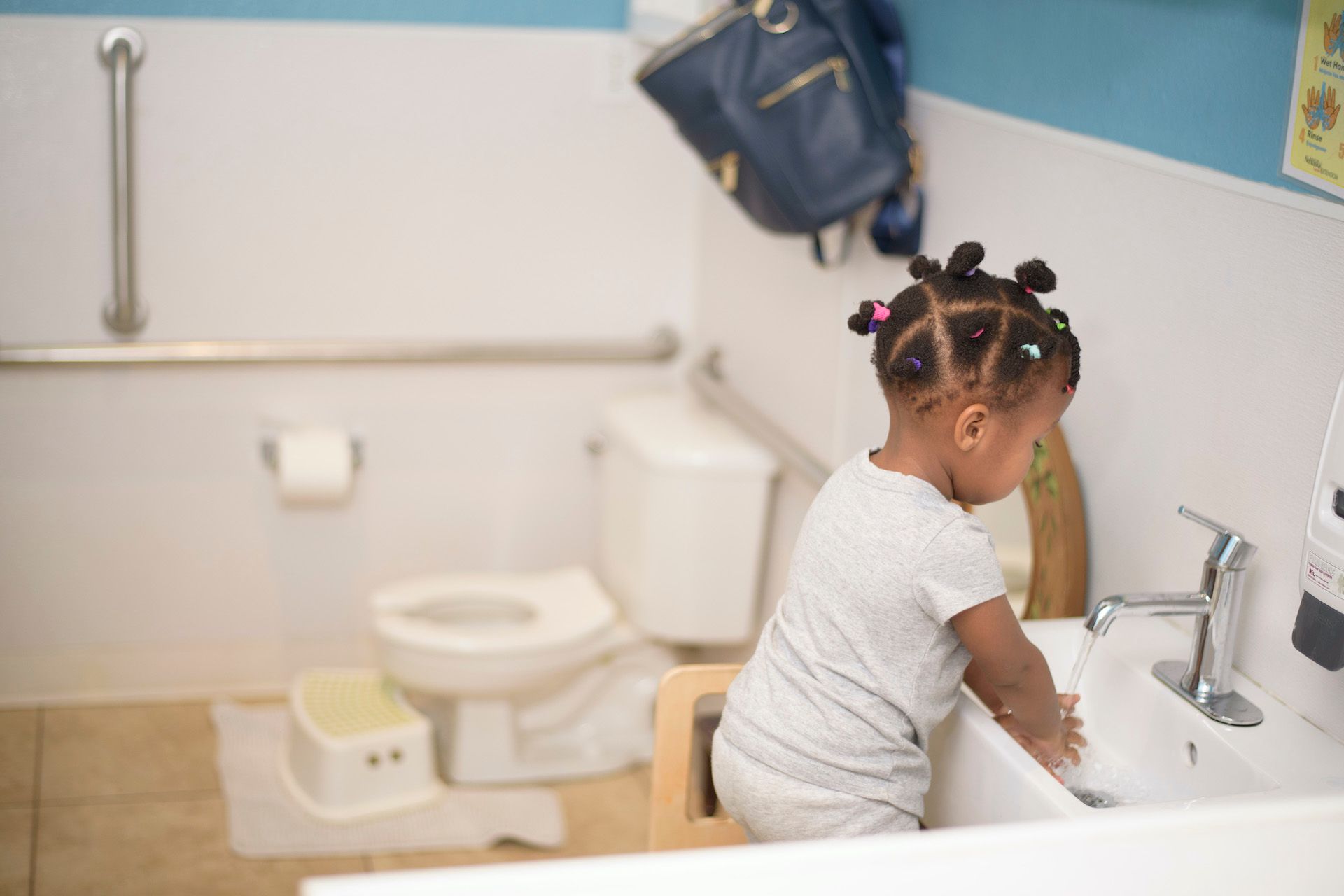
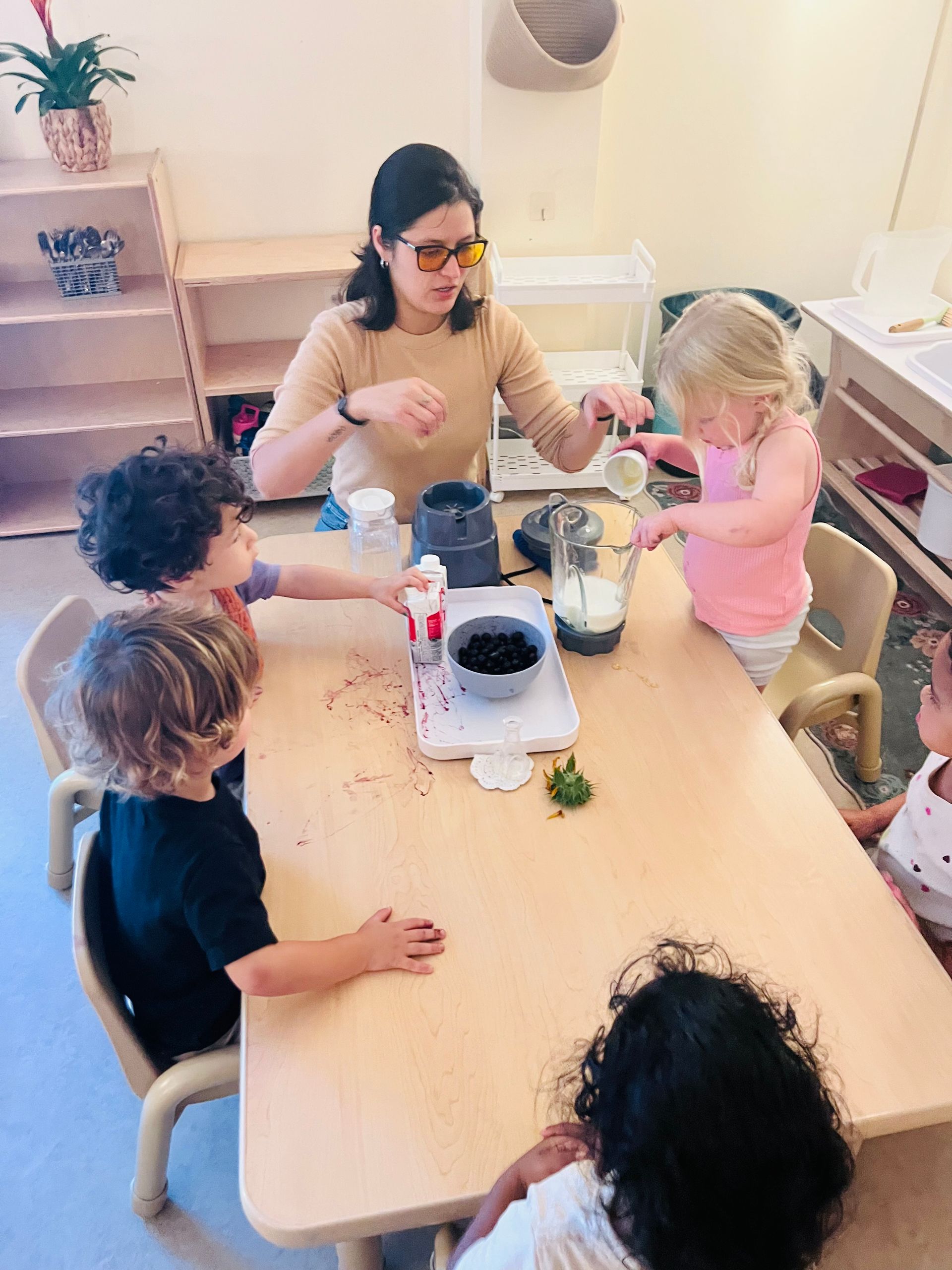
In the Montessori environment, we talk a lot about independence. But how does independence actually develop? How can we, as adults, support a child on this path? One of the first steps toward independence begins with movement. As the child starts to separate from the caregiver physically —moving, crawling, walking, reaching, and exploring— they begin to discover something profound: I can do things by myself. I can reach for something without being carried there. I can move toward what interests me. I can try. But before children can become independent, they depend on us. And the way we relate to them during this period of dependence makes a difference in their journey toward independence. From Doing For the Child to Doing With the Child At the beginning, especially in a toddler classroom, we do things with the child, not for the child. We guide them through each step. We show them how to push their pants down, where to place the diaper when it is wet, how to get water from the sink into a pitcher and how to pour the water, how to touch others gently, how to ask for a hug, and how to respect and accept it when someone does not want a hug. Sometimes we show them once and sometimes we show them what feels like an innumerable number of times! And then, they start doing it by themselves. Isn't this amazing? This is the growth of independence, and alongside independence grows something equally important: self-confidence. Independence Does Not Mean Doing Everything Alone At the same time, being independent does not mean that we no longer need other people. Human beings are interdependent. We rely on one another, learn from one another, and grow through our relationships with one another. Needing someone does not mean that we are incapable. This is one of the beautiful things about the mixed-age Montessori environment. The teachers are not the only ones showing children how to do things. When a child has mastered a skill, we can invite that child to show another child who has not yet mastered it. “Can you show Eli how to clean his nose?” The child will happily help. In that simple interaction, one child is learning a new skill, while the other is experiencing what it feels like to contribute and share knowledge. Both children are growing. This is interdependence: I can do things for myself, and I can also be part of something bigger than myself. Let Them Struggle If we want independence to develop, the child needs opportunities to struggle. Let them struggle when they are trying to put on their socks. Let them attempt to pour the water even when some of it spills. This can be difficult for us as adults because sometimes it is much easier and faster to simply do it for them. We can see the sock is inside out and we know exactly what needs to happen next. But if we always step in before the child has had the opportunity to try, we may unintentionally communicate: You need me to do this for you. Instead, we can practice patience, staying close, observing and offering just enough help for the child to continue. This does not mean leaving a child alone with frustration. It means staying with them without taking over. Sometimes the right amount of help might be showing the movement slowly. We can exaggerate the movement so the child can clearly observe it and begin to internalize it. Sometimes it might be holding the sock open while allowing the child to put their foot inside. Sometimes it might simply be saying, “You can do it. Keep trying.” The Gift of Trying Again Frustration is not necessarily something we need to rescue children from. It is a feeling they can experience, move through, and learn from —with the presence of a supportive adult. When we allow children to experience the difficulty of something while communicating, “I know you can do this”, we give them an opportunity to discover their own competence. And when they finally succeed, no one can take that experience away from them. They have learned something much bigger than how to put on a sock. They have learned: Something can be hard, and I can keep trying. I can ask for help when I need it. I can try again. These experiences become part of the child's developing sense of self. They begin to internalize a sense of competence that will stay with them long after the sock. Independence comes through interdependence, and the beauty of childhood —and of being human— is found in this ongoing dance of holding and letting go, over and over again.
By ToTH Montessori • October 20, 2026
Welcome to ToTH@Home - Our Blog for Families Who Love Montessori!
February 21, 2025
In Montessori, discipline is about understanding misbehavior as communication of unmet needs, addressed with empathy and proactive support.
February 10, 2025
The toilet learning process for young children takes time but doesn’t have to feel daunting. Here are some key aspects of toileting the Montessori way.
Show More