Navigating Sibling Dynamics
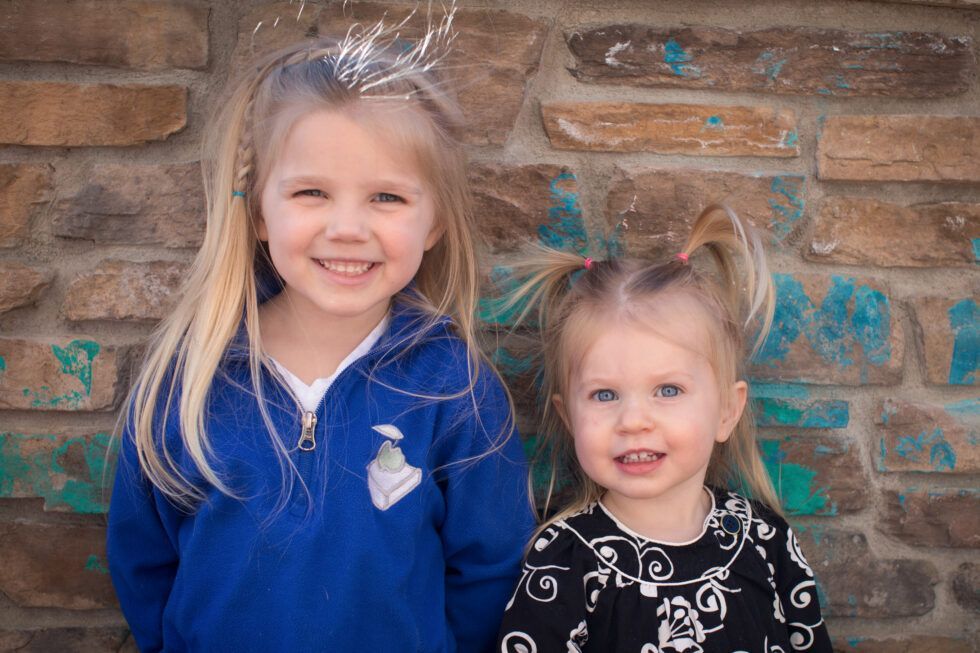
As parents, we want our kids to get along. Yet sibling dynamics can vex even the best of us. We cringe at how much our children can hurt each other, then melt when we see them treating each other with kindness. Their fights can drive us crazy, causing us to worry about whether they will like each other as adults.
Fortunately, we can implement strategies to prevent problems between siblings, set the stage for healthy interactions, and practice some techniques for managing conflict in the moment.
One of the first steps is taking time to understand our children, ourselves, and the situation. Without taking time to assess these three aspects, we often end up interfering in sibling conflict, which may stop the fight in the moment but that may also inadvertently increase competition and misunderstanding.
Check-In with Ourselves
When conflicts arise, it helps to first check in with our own feelings. Having awareness of our mental and physical responses allows us to practice self-regulation. We can breathe in deeply through our nose and our mouth. We can pause before responding. We can even express our emotions: “I’m realizing that I’m not feeling very calm right now. Because I’m starting to feel upset, I’m going to take a minute to try to regain some control.” Our children don’t need us to get on the roller coaster!
Describe and Empathize
Another technique to help in the moment is to describe what we see and to empathize. When we describe what we see in a non-judgmental way, we help our children become aware of what they are doing. This allows them the opportunity to choose if they want to continue. The real key is to do this in a neutral way: “I’m noticing that both of you seem to really want to sit on the bean bag chair. Sometimes it can be hard to both want the same thing.”
Examine the Hidden Beliefs
When children exhibit behaviors, they have unspoken beliefs behind that behavior. To better understand our children and these beliefs, can start to reflect on any hidden messages. Some questions to consider include: Do our children feel like they need to win, be first, have an item, etc. to be significant in the family? Are they trying to determine their place in the family? Do they feel wronged in some way and want to cause hurt back to others? Do they feel they are being treated unfairly? Are they trying to fight back to have a sense of justice? Is fighting a way to assert power in the situation?
We don’t need to have answers to the questions but rather recognize that our children might be operating based on some mistaken beliefs. It’s important to remember that what happens to us isn’t as important as the beliefs we have about what happens to us. Our children just want to belong and feel significant and might need some support in developing new beliefs to feel accepted and important.
Shift the Beliefs
One way to shift their thinking is to practice putting children in the same boat. When we take sides in an argument or conflict (for example, by reminding an older child to be kind to their younger sibling or assuming wrongdoing in some way), we reinforce competition or hard feelings between siblings. Instead, we can give our children a choice or hold both responsible. If something has been broken, both can be involved in making repairs or amends. If they are fighting in the car, we can pull over and explain that we’ll be happy to get going again when they have resolved their conflict or have decided to stop arguing. If tattling is a regular occurrence, we can empathize and wonder how they will solve the problem together. We can also make sure we aren’t setting up situations that cultivate jealousy or competition by forcing sharing or putting one child’s needs before another’s.
Provide Special Time
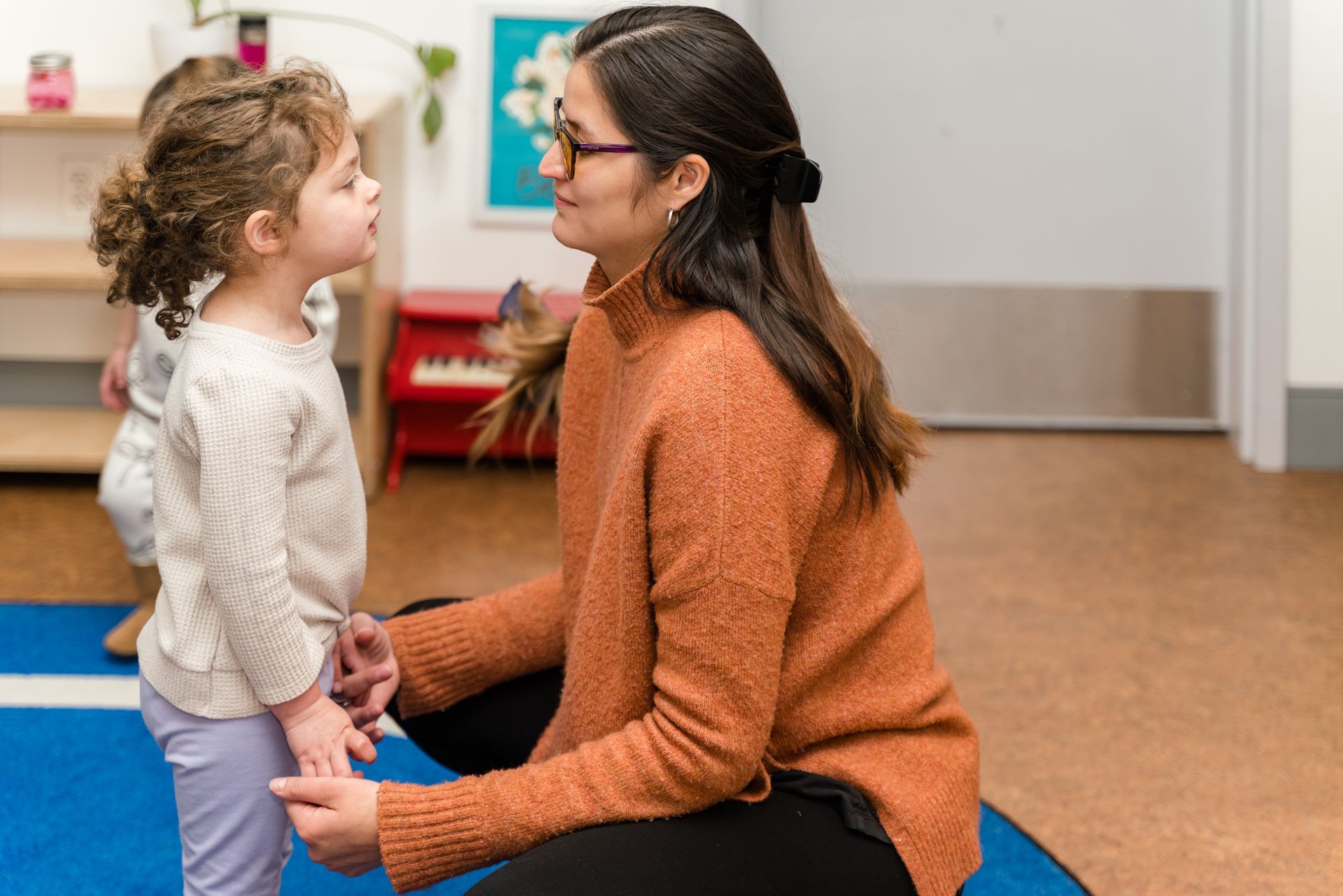
Another way to help our children feel belonging and significance is to schedule special time. Our children need our undivided attention, yet so often as parents, we are pulled in so many directions. One way to address this is to commit to having five to ten minutes of one-on-one time with each child. Let your children know that this is time that you will be with them 100% and that they get to choose what you both do together during that time. Even if it is that activity that you just can’t stand, remember it is only for a short duration! Use a timer and stay committed to having the time each day. This undivided attention helps children feel secure and connected. The result? They are more cooperative with us and each other.
New Skills
Ultimately helping our children navigate sibling dynamics involves teaching new skills. We can help our children learn how to express themselves kindly and firmly, perhaps even practicing how to share concerns during family meetings. We can involve our children in finding solutions through problem-solving strategies. We can emphasize the value of different perspectives and needs by appreciating each child’s unique qualities and building gratitude into our routines.
What we model and promote in our families helps set the stage for how our children navigate not only sibling relationships but their interactions in the world. If you’d like to learn more about how we cultivate respectful, cooperative relationships and help children learn how to resolve differences with respect and kindness, come visit our school!