Collaborative Problem Solving

Stephanie Sarvana • November 6, 2023

So often, when we get really frustrated or even upset with our children, the first thing we want to do is solve the problem. Tell them what needs to happen. Take control. Sometimes even become a bit dictatorial!


In those times of frustration or anger, our rational thinking tends to take a back seat to our emotions. We forget what might be happening in our children’s internal (and sometimes external) lives. We rush ahead instead of taking the time to help guide our children.


Yet our children look to us for assistance and support. When our children are struggling, they need us to show compassion, patience, and empathy.


Changing Our Perspective


Dr. Ross Greene, a clinical psychologist and author of Raising Human Beings, among other publications, makes an impassioned plea on his website, Lives in the Balance, asking adults to recast how we think about challenging behavior. When children are behaving in challenging ways, Dr. Greene explains, it is “because they’re lacking the skills not to be challenging. If they had the skills, they wouldn’t be challenging.”


Dr. Greene also emphasizes two vital themes to better support our children. “Kids do well if they can,” he states, and, “Doing well is always preferable to not doing well.”


If we wholeheartedly embrace the fact that our children want to do well if they can, we can take what Dr. Greene calls a “dramatic departure from the view of challenging kids as attention-seeking, manipulative, coercive, limit-testing, and poorly motivated. It’s a completely different set of lenses, supported by research in the neurosciences over the past 30 to 40 years, and it has dramatic implications for how caregivers go about helping such kids.”


How can we help?


It’s worth noting that all children at some point demonstrate challenging behaviors. So how do we, as adults and caregivers, help children with these challenges?


The first step is to think about what difficulty a child is facing. The challenging behavior arises because of a difficulty. Listing specific difficulties helps us shift our thinking away from the behaviors that can cause us frustration.


Next, at a time when the behavior isn’t happening, we can find a time to connect and make sure it’s a good time to talk. At that point, we can state what we’ve observed: “I’ve noticed it’s been difficult for you to finish breakfast before we need to leave for school.”


The Empathy Step


Then (and this is key) we ask, “What’s up?” or “What’s going on?” 


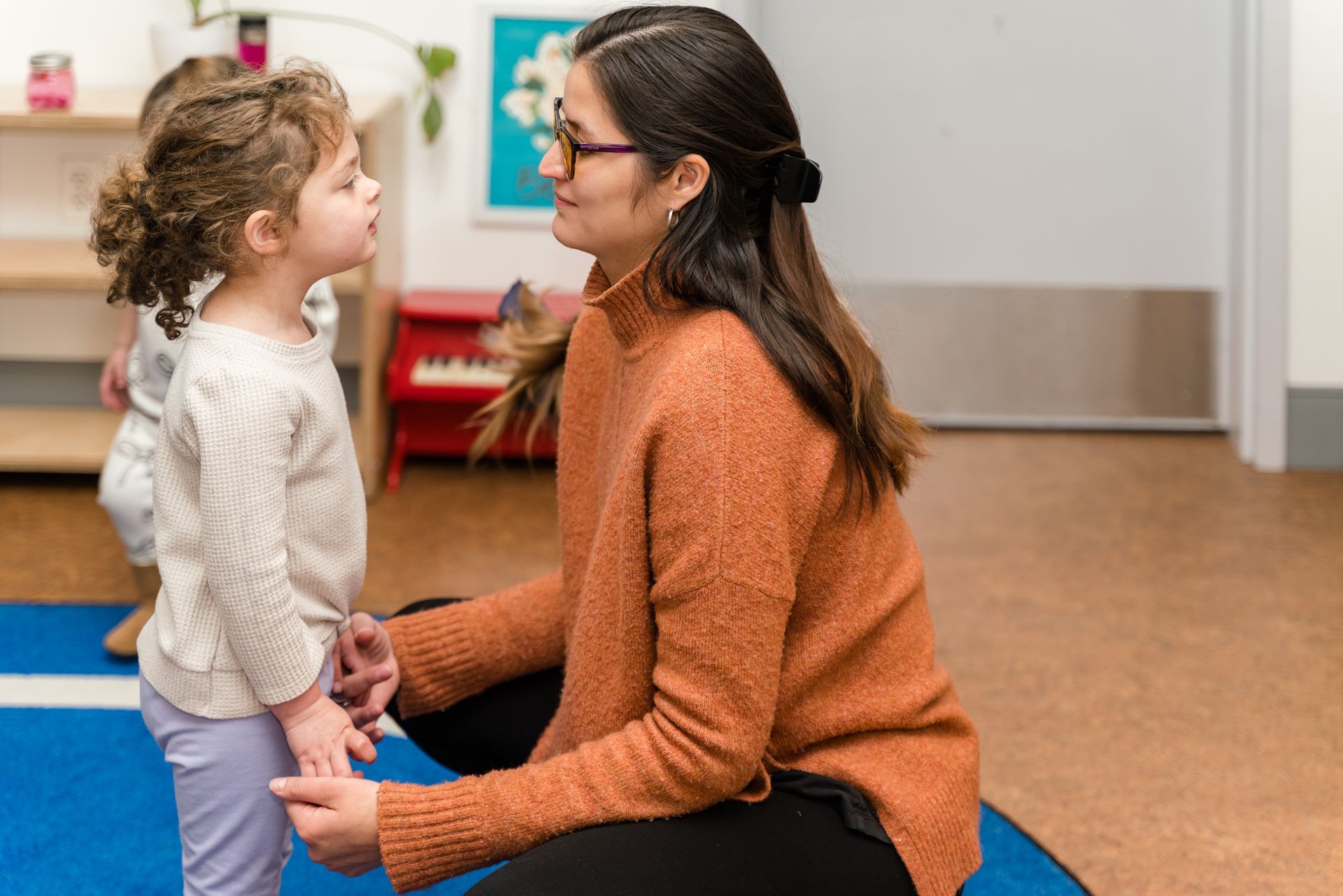
This statement of a non-judgmental observation, and then an invitation to share, initiates what Dr. Greene calls the Empathy Step. The Empathy Step is an information-gathering process in which we really try to understand the child’s perspective and experience. We listen without reacting and ask questions or reflect back answers in order to peel back the layers of what is really going on for the child in those moments of challenge.


During this time of reflective listening and questioning, it’s essential that our child is heard, really heard. All too often, we try to jump in too quickly with advice or solutions, without giving enough time and space for our young person to share valuable perspectives and insights. Just this process of listening can be incredibly healing. If a child isn’t used to us really listening, or we aren’t used to asking questions rather than offering solutions, check out this cheat sheet for how to get to the heart of the matter.


Assuming our child has been able to share what’s really going on in those moments of challenge, we summarize what is distressing to them and share our own concern. For example, “I understand, and my concern is that I feel stressed and anxious when we are rushing to get out the door in the morning.” We then invite our child to work together with us to find a solution that can meet everyone’s needs.


Being Heard and Validated


When using this process with children, it’s often the case that we sometimes don’t even get to the last steps of stating a concern and initiating a collaborative problem-solving process. Sometimes it makes sense to listen to what our child has to share about what is going on and then let that really settle. Sometimes just the process of being heard is significant enough for shifts to occur for our child, as being heard helps them feel validated.


In those moments of frustration or upset, let’s try to slow ourselves down and remember that the child in front of us wants to do well. Our job can be to listen and empathize. And in doing so, we can support that young person in solving problems, learning new skills, and becoming a more whole human being.


Please schedule a tour to come visit our school and see how collaborative problem-solving works with children. We’ve found that it can also be helpful in our interactions with adults, too!
By Katherin Castro Hoyos, Lead Toddler Guide • October 22, 2026
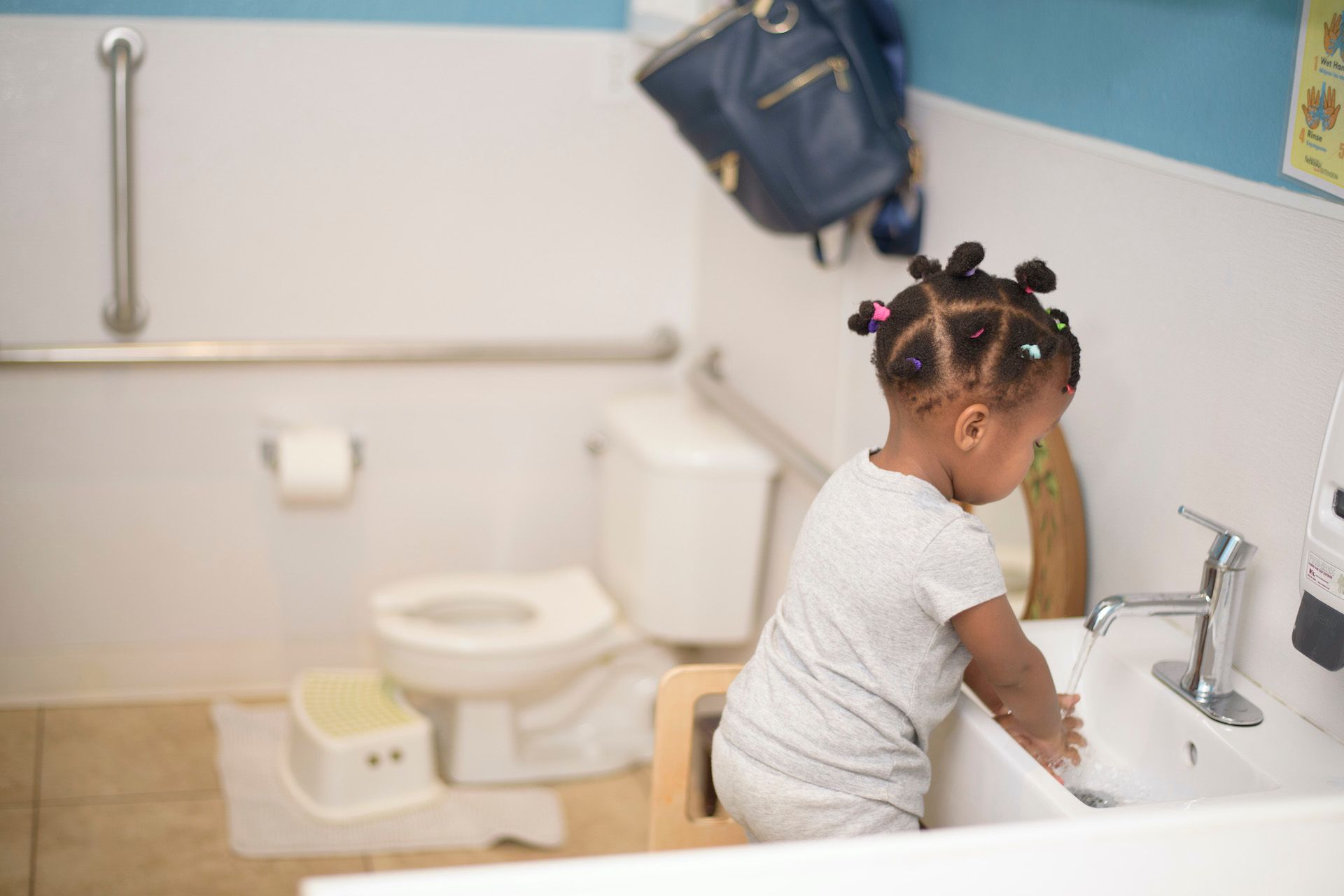
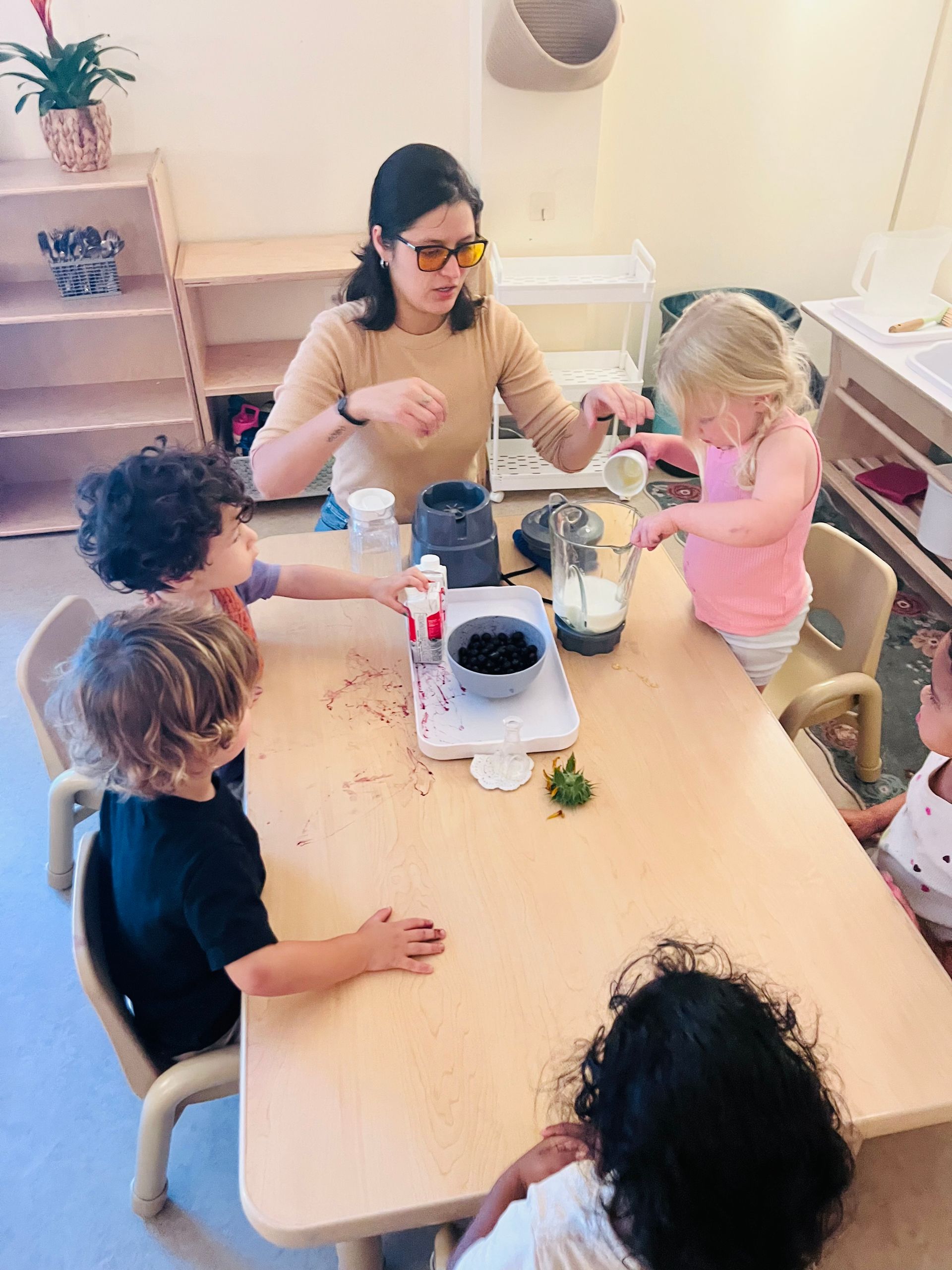
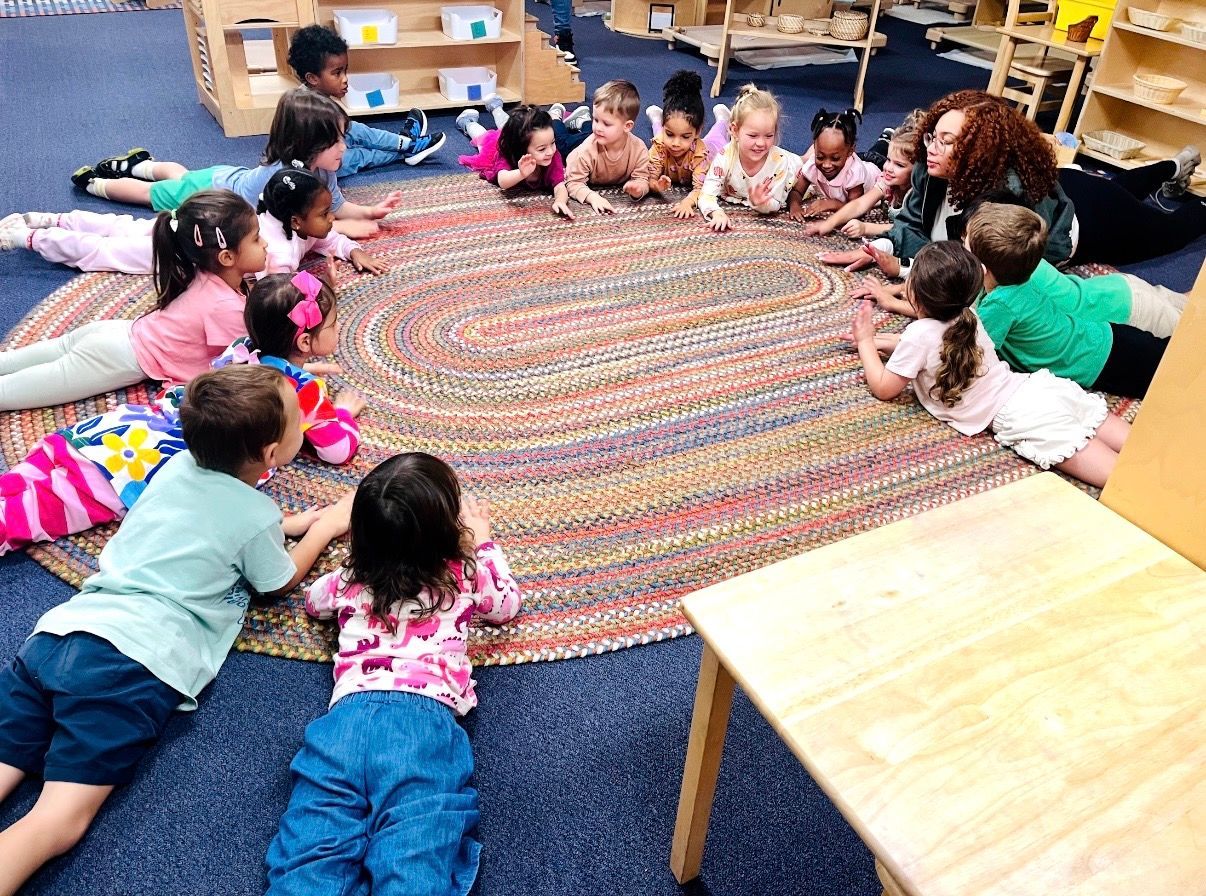
In the Montessori environment, we talk a lot about independence. But how does independence actually develop? How can we, as adults, support a child on this path? One of the first steps toward independence begins with movement. As the child starts to separate from the caregiver physically —moving, crawling, walking, reaching, and exploring— they begin to discover something profound: I can do things by myself. I can reach for something without being carried there. I can move toward what interests me. I can try. But before children can become independent, they depend on us. And the way we relate to them during this period of dependence makes a difference in their journey toward independence. From Doing For the Child to Doing With the Child At the beginning, especially in a toddler classroom, we do things with the child, not for the child. We guide them through each step. We show them how to push their pants down, where to place the diaper when it is wet, how to get water from the sink into a pitcher and how to pour the water, how to touch others gently, how to ask for a hug, and how to respect and accept it when someone does not want a hug. Sometimes we show them once and sometimes we show them what feels like an innumerable number of times! And then, they start doing it by themselves. Isn't this amazing? This is the growth of independence, and alongside independence grows something equally important: self-confidence. Independence Does Not Mean Doing Everything Alone At the same time, being independent does not mean that we no longer need other people. Human beings are interdependent. We rely on one another, learn from one another, and grow through our relationships with one another. Needing someone does not mean that we are incapable. This is one of the beautiful things about the mixed-age Montessori environment. The teachers are not the only ones showing children how to do things. When a child has mastered a skill, we can invite that child to show another child who has not yet mastered it. “Can you show Eli how to clean his nose?” The child will happily help. In that simple interaction, one child is learning a new skill, while the other is experiencing what it feels like to contribute and share knowledge. Both children are growing. This is interdependence: I can do things for myself, and I can also be part of something bigger than myself. Let Them Struggle If we want independence to develop, the child needs opportunities to struggle. Let them struggle when they are trying to put on their socks. Let them attempt to pour the water even when some of it spills. This can be difficult for us as adults because sometimes it is much easier and faster to simply do it for them. We can see the sock is inside out and we know exactly what needs to happen next. But if we always step in before the child has had the opportunity to try, we may unintentionally communicate: You need me to do this for you. Instead, we can practice patience, staying close, observing and offering just enough help for the child to continue. This does not mean leaving a child alone with frustration. It means staying with them without taking over. Sometimes the right amount of help might be showing the movement slowly. We can exaggerate the movement so the child can clearly observe it and begin to internalize it. Sometimes it might be holding the sock open while allowing the child to put their foot inside. Sometimes it might simply be saying, “You can do it. Keep trying.” The Gift of Trying Again Frustration is not necessarily something we need to rescue children from. It is a feeling they can experience, move through, and learn from —with the presence of a supportive adult. When we allow children to experience the difficulty of something while communicating, “I know you can do this”, we give them an opportunity to discover their own competence. And when they finally succeed, no one can take that experience away from them. They have learned something much bigger than how to put on a sock. They have learned: Something can be hard, and I can keep trying. I can ask for help when I need it. I can try again. These experiences become part of the child's developing sense of self. They begin to internalize a sense of competence that will stay with them long after the sock. Independence comes through interdependence, and the beauty of childhood —and of being human— is found in this ongoing dance of holding and letting go, over and over again.
By ToTH Montessori • October 20, 2026
Welcome to ToTH@Home - Our Blog for Families Who Love Montessori!
February 21, 2025
In Montessori, discipline is about understanding misbehavior as communication of unmet needs, addressed with empathy and proactive support.
February 10, 2025
The toilet learning process for young children takes time but doesn’t have to feel daunting. Here are some key aspects of toileting the Montessori way.
Show More